
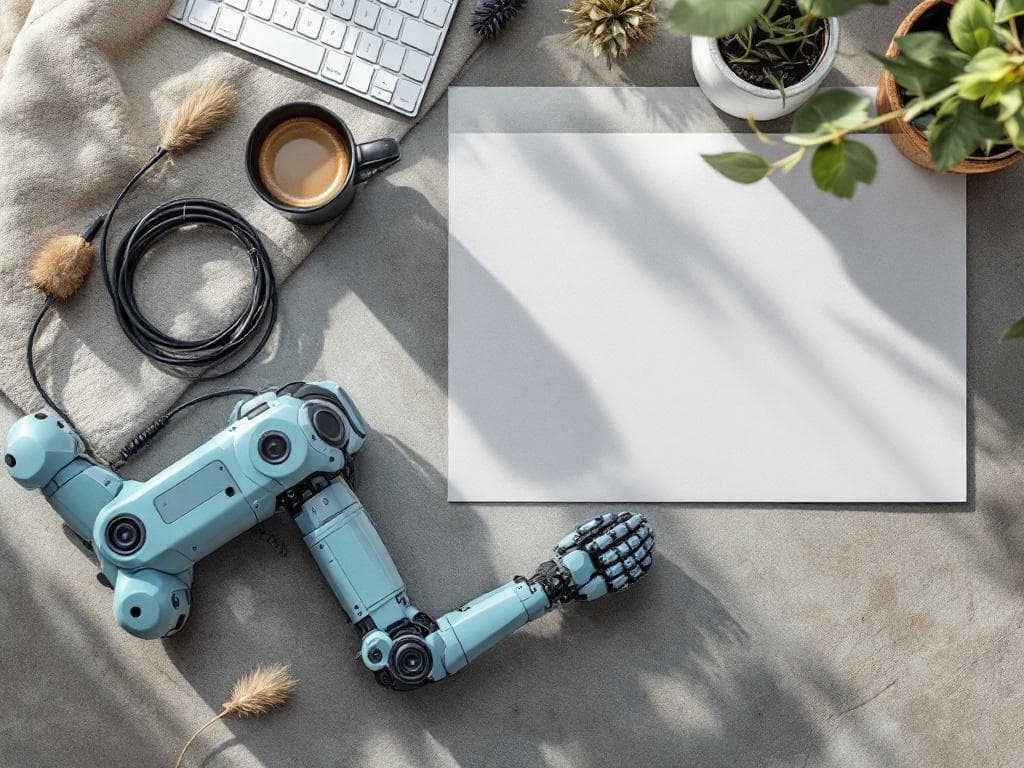
Discover how human-robot collaboration is reshaping Industry 4.0 by blending innovation with automation. Learn about transforming workplaces with robotics and smart factory strategies.
Exploring the Future of Human-Robot Collaboration in Industry 4.0
Human-robot collaboration (HRC) is at the heart of the technological advancements in Industry 4.0. This new era represents a significant evolution where robots and humans work together in shared spaces, efficiently leveraging each other's unique capabilities. In this collaborative framework, humans bring creativity, problem-solving skills, and flexibility, while robots offer precision and the ability to tirelessly perform repetitive tasks. This symbiotic relationship is central to reshaping the future of work, as it shifts the landscape by automating mundane activities while enhancing the roles that require human adaptability and decision-making.
The significance of this collaboration cannot be understated. By alleviating humans from hazardous or monotonous jobs, HRC helps companies harness the full power of automation while maintaining the human touch that brings innovation and quality to the table. Robots are not replacing humans; rather, they are augmenting the workforce, transforming industries from automotive manufacturing to healthcare.
Understanding how robotics and automation are shaping industry sectors is crucial for predicting labor force changes. As the automation workforce evolves, employees need new skills to thrive in environments where cobots (collaborative robots) become commonplace. This blog delves into the transformative potential and implications of HRC within Industry 4.0, examining how it affects current work dynamics and what the future holds for human engagement with robotics.
Section 1: Understanding Human-Robot Collaboration
Human-robot collaboration goes beyond traditional robotic systems, which often operate behind safety barriers due to the risk of human injury. In contrast, cobots are designed to safely work alongside humans thanks to advanced sensors, artificial intelligence, and embedded vision. This collaborative setting combines human qualities like intelligence and adaptability with the precision and strength of robots.
Roles in these environments are distinctly divided yet complementary. Humans handle tasks requiring deep thinking and quality oversight, while robots excel in activities that demand precision and can repeat without fatigue, such as heavy lifting or complex assembly lines. For instance, in automotive manufacturing, companies like BMW utilize cobots to manage precise welding and bolting, thus eliminating risks and errors associated with human fatigue.
Beyond automotive applications, HRC is finding successful implementations across diverse sectors:
- Logistics: Amazon’s warehouses exemplify how robots can manage picking and sorting operations, allowing humans to concentrate on more intricate inventory management and optimization tasks.
- Construction: Technologies such as the SAM (Semi-Automated Mason) robot can lay bricks three times faster than humans, enabling companies to meet deadlines efficiently.
- Agriculture: Specialized robots are used in fruit picking, offering benefits in speed and reducing crop damage.
- Energy Sector: Boston Dynamics' Spot robot aids in maintenance and inspection activities, enhancing safety and efficiency.
In documenting these examples, it's evident that HRC leads to considerable improvements in productivity and safety while creating a pathway for further innovation in how humans and machines interact.
Section 2: Industry 4.0 and Robotics
Industry 4.0, also known as the fourth industrial revolution, represents a fusion of technologies that blur the lines between the physical and digital domains. It includes integrating the Internet of Things (IoT), artificial intelligence, machine learning, edge computing, and cyber-physical systems, forming a sophisticated network found in smart factories. These facilities manifest autonomous production characterized by adaptability, resource efficiency, and seamless integration of machines and humans.
Robotics plays a pivotal role in Industry 4.0, equipped with capabilities that go beyond mere task execution. Embedded vision systems, for instance, grant robots the ability to perceive their environments in both 2D and 3D. This perceptual enhancement enables tasks such as object location, quality control, predictive maintenance, and navigation adjustments for automated guided vehicles. The robotic systems of Industry 4.0 are not just programmable; they are learning entities, analyzing data from ongoing processes to optimize operations continuously.
This ecosystem fosters a networked approach where data from robotic sensors and human interactions enrich cloud-based databases, improving predictive analytics and task allocations. Programmable sensors provide robots with “eyes” and “ears,” significantly improving dynamic interaction capabilities. As manufacturing lines become smarter and more responsive, the seamless collaboration between human-like cobots and human teams creates a sustainable production strategy for the future.
Section 3: Impact on the Automation Workforce
The increasing presence of human-robot collaboration is undeniably transforming the automation workforce. By lifting the burden of monotonous and physically draining tasks, robots enable humans to focus on more valuable supervisory and creative roles. This shift helps reduce workplace injuries and offers an enhanced ergonomic environment, where cobots take over tasks that are heavy or hazardous to humans.
As industries rapidly advance, emerging roles are being crafted within this new digital landscape. We are witnessing a rising demand for robot programmers, operational overseers, and technicians versed in AI interfaces and no-code programming. These positions require a skillset grounded in technical oversight rather than manual task execution. Consequently, education and skill development are pivoting towards digital literacy, with training often emphasizing AI, robotics, and automation technology.
While the integration of cobots carries substantial ergonomic benefits, it also raises societal concerns about job displacement. The opportunity for flexible production comes with the challenge of reskilling the displaced workforce. Yet, this dynamic creates avenues for innovation and expansion, ensuring that while manual roles may diminish, the demand for strategic and technology-oriented positions increases.
Section 4: The Future of Work
Forecasting the future reveals unprecedented opportunities in enhancing the future of work through HRC and the potential for Industry 5.0. Current trends exhibit a remarkable uptick in cobot installations, growth fostered by their simplicity in AI-driven operations and how they explore vision-enabled autonomy, paving the way for even deeper human-robot integration.
Ahead lie challenges that include the complexities of system integration and the ethical concerns surrounding safety and job security in this evolving workplace. Businesses aiming for success in the coming era must adopt forward-thinking preparations, focusing on adaptive setups and intensive training programs that promote continuous learning and upskilling.
To thrive in this evolving landscape, workers need to embrace upskilling, adapting to a workplace which prioritizes human creativity and innovation in tandem with robotic precision and capabilities. The future of work is not steered solely by machines; rather, it integrates human insight, ensuring adaptability amidst technological advancements.
Section 5: Case Studies/Examples
Exploring real-world examples provides insight into how human-robot collaborations are effectively executed across industries. These case studies illustrate innovation and highlight both the opportunities and challenges presented by this technological synergy.
- BMW Automotive: Cobots assist in the precision assembly of vehicles by performing activities such as welding and bolting. This relieves human workers from labor-intensive jobs, allowing them to oversee operations and make quality assurance decisions.
- Amazon Logistics: Within Amazon's warehouses, robots efficiently handle the intensive tasks of picking and sorting, reducing human injury rates while allowing staff to engage in roles that require critical thinking and planning.
- SICK Sensor Applications: The use of 2D/3D vision guides robots in manufacturing, enhancing object location and quality control, which improves operational efficiency and safety.
- KUKA Cobots: In various applications, KUKA cobots collaborate with human workers, especially in ergonomic tasks that demand sensitivity and precise movements, improving productivity and reducing workplace injuries.
Despite the evident advantages, these innovations face challenges such as initial programming hurdles and safety integration. Nevertheless, they continue to foster innovation in sensor technologies and AI applications, ultimately enhancing productivity and workplace safety.
Section 6: Benefits and Challenges
Benefits of human-robot collaboration are manifold, presenting exciting opportunities for industry advancement:
- Increased Productivity and Speed: For example, the SAM robot in construction lays bricks three times faster than a human, enhancing overall project efficiency.
- Enhanced Safety: Robots alleviate human workers from high-risk environments and physically taxing duties, significantly reducing workplace injuries.
- Operational Efficiency: With precision waveforms and round-the-clock operations, robots execute tasks with unmatched consistency and accuracy.
- Innovation Through Connectivity: Connected ecosystems in smart factories allow for flexible, tailored production, integrating autonomous systems smoothly.
However, the path forward is not without its challenges:
- Workforce Displacement: As automation takes over routine tasks, displaced workers require reskilling to transition into newly created roles.
- Ethical/Safety Concerns: Operating in shared human-robot environments necessitates intelligent sensors and comprehensive safety protocols to ensure harmonious interactions.
- Integration Complexities: The initial investments and intricate programming necessary for implementing these systems can pose significant hurdles.
Navigating these challenges successfully can unlock unprecedented competitive advantages, though it requires a deliberate focus on strategic planning and ongoing learning.
Conclusion
As we have explored, human-robot collaboration embodies the transformative spirit of Industry 4.0, where the symbiosis between human ingenuity and robotic precision paves the way for enhanced productivity and creative innovation. As industries adapt to this shift, embracing this technology can secure a future of competitive and efficient operations.
Businesses must proactively approach these advancements with flexibility and preparedness to thrive. By empowering workforces through continuous learning and adapting to evolving roles, companies can fully realize the potential of this new age of collaboration.
To navigate these advancements confidently, stakeholders must remain informed and ready to engage with the evolving landscape of Industry 4.0. As the future unfolds, understanding the interplay between technology and human interaction will define the success of tomorrow's businesses.
FAQ Section
1. How is human-robot collaboration different from traditional robotic automation?
Human-robot collaboration distinguishes itself from traditional automation by enabling robots to work alongside humans without barriers. Cobots, designed for direct interaction, include advanced safety features such as sensors and AI, allowing them to function in close proximity to human workers.
2. What new skills do employees need in an automation-centered workplace?
In an automation-centric environment, employees are required to develop skills in areas like AI interfaces, robotics programming, and no-code development. These skills help them oversee and enhance the performance of robots, rather than performing routine manual tasks themselves.
3. Can you give examples of how cobots enhance workplace safety?
Cobots improve workplace safety by undertaking physically demanding or risky tasks, such as heavy lifting or operating in hazardous environments. In doing so, they mitigate the risks to human workers, reducing the likelihood of injuries or accidents.
4. How can businesses prepare for ethical challenges associated with robotic integration?
To handle ethical challenges, businesses can engage in rigorous planning that includes deploying intelligent sensors for safety assurance, integrating comprehensive ethical guidelines, and ensuring open communication between human operators and robotic systems.
5. What are the cost implications of implementing human-robot collaboration systems?
While the initial cost of implementing human-robot collaboration systems is significant due to technological investment and setup complexities, the long-term benefits of increased productivity and efficiency often result in substantial savings and competitive advantages.