
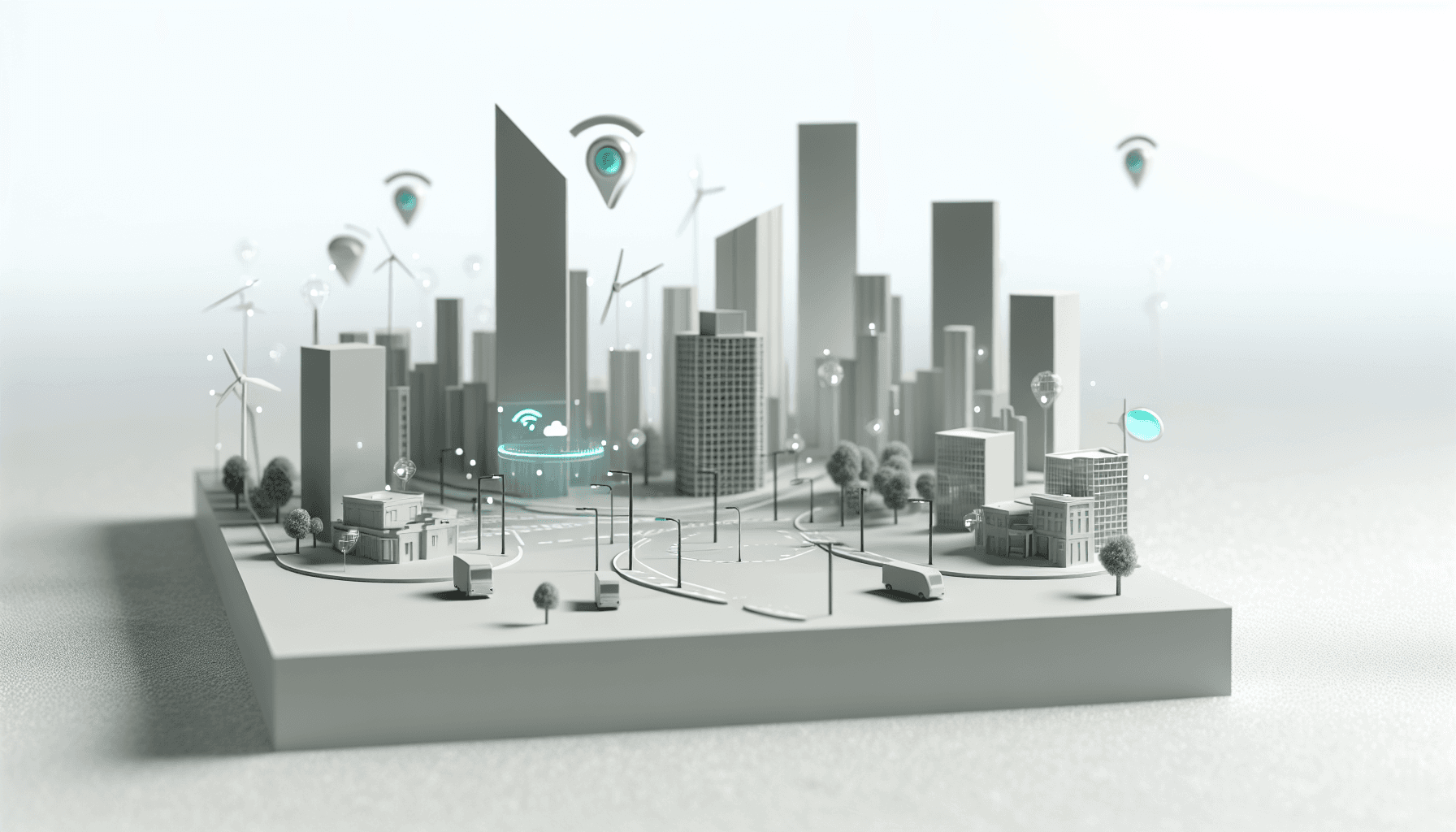
Discover how IoT in smart cities is paving the way for urban innovation with data-driven solutions and digital transformation. Explore connected systems, intelligent data, and future trends.
Exploring the Future of IoT in Smart Cities
The IoT in smart cities is a fascinating development, reshaping urban environments in groundbreaking ways. Picture a world where everything is connected—traffic lights that communicate with parked cars, energy grids that optimize themselves, and public safety systems that respond intelligently to emergencies. This is not a distant future; it is happening now, thanks to the IoT, a network of interconnected devices that revolutionizes how cities function. Smart cities are key players in this digital transformation, using IoT to solve urban challenges, enhance livability, and drive innovation. This blog post delves into the world of IoT in smart cities, exploring the myriad benefits, challenges, and future prospects.
1. Understanding IoT Solutions
To appreciate the impact of IoT in urban settings, we must first grasp the scope of IoT solutions. The Internet of Things consists of devices like sensors, cameras, vehicles, and home appliances, all connected to a network that facilitates data exchange without human intervention. This seamless communication forms the backbone of smart cities.
IoT Components:
- Devices and Sensors: These are the eyes and ears of the IoT ecosystem. They gather data on air quality, traffic flow, and energy use, providing real-time situational awareness.
- Connectivity: This component includes cellular networks like 4G and 5G, Wi-Fi, and Low Power Wide Area Networks (LPWAN) that ensure data can flow between devices and to central systems.
- Data Platforms: These storage solutions manage vast amounts of information, facilitating organization and retrieval when needed.
- Applications: They transform raw data into insights that power automation and decision-making processes.
In urban settings, IoT solutions come alive through:
- Smart Parking: Sensors detect available spaces, guiding drivers and reducing congestion.
- Street Lighting: Automated systems adjust brightness based on environmental conditions.
- Traffic Signals: Intelligent systems dynamically change lights to manage vehicular flow efficiently.
- Environmental Monitoring: Sensors track air and noise pollution levels.
- Smart Grids: These systems ensure energy distribution is optimized to prevent outages.
- Public Safety: Security cameras and alarms provide real-time surveillance and alerting.
IoT solutions are revolutionary, turning static systems into active participants in urban management. As cities continue to grow, integrating these technologies will be crucial for optimizing city operations and improving quality of life.
2. The Role of IoT in Smart Cities
Smart cities embody the perfect marriage of IoT and urban development. These technologically advanced metropolises use IoT to collect data and optimize operations across various sectors.
Integration and Data Collection:
Smart cities deploy an extensive network of sensors and devices, constantly collecting data from citizens and infrastructure. This data provides invaluable insights into the city’s operations, enabling more informed decision-making and enhancing resident experiences.
Core Domains of IoT in Smart Cities:
- Transportation: IoT facilitates intelligent transport systems, using real-time data to manage traffic, adapt signal timing, and improve public transit services.
- Utilities: Smart grids use IoT for energy monitoring and distribution, while water networks utilize sensors to detect leaks and optimize usage.
- Public Safety: Enhanced emergency response capabilities stem from connected cameras and sensors that improve situational awareness.
- Environment: Pollution and environmental metrics are constantly monitored to guide sustainable practices.
Globally, cities like Barcelona and Singapore exemplify the successful implementation of IoT in smart city initiatives. In Barcelona, smart lighting and congestion charging have reduced energy consumption and traffic, while Singapore has improved urban mobility through efficient transport systems and smart parking solutions. These cities demonstrate how IoT enriches urban life by making cities more sustainable, livable, and efficient.
3. Digital Transformation in Urban Development
The transition towards digital transformation in urban areas signifies a monumental shift in city management. This transformation replaces manual, isolated systems with integrated, real-time digital solutions, enhancing urban operations and governance.
Benefits of Digital Transformation:
- Continuous Data Flow: IoT provides detailed insights into infrastructure performance, facilitating timely interventions and maintenance.
- E-governance Platforms: Digitized services streamline citizen interactions with the government, enhancing convenience and accessibility.
- Data-Driven Decision-Making: Policies and investments are informed by real-time data, leading to more effective urban governance.
Incorporating IoT in urban development enhances transparency and encourages proactive maintenance, preventing system failures before they occur. Additionally, increased citizen engagement through digital channels empowers residents to participate in city governance, fostering a sense of community and collaboration.
4. Intelligent Data Processing for Urban Innovation
Intelligent data processing enabled by IoT is critical for fostering urban innovation. Cities generate enormous amounts of data, and processing this data effectively leads to advances in management and service delivery.
Data Collection and Transmission:
- Real-Time Collection: Sensors distributed across the city collect real-time data on various parameters, including traffic, energy, and environment.
- Secure Data Transmission: Information is securely transmitted through networks to centralized or edge platforms for further analysis.
- Data Lakes: These storage systems allow comprehensive analysis, providing a foundation for decision-making and innovation.
Innovative Outcomes:
- Predictive Traffic Management: Advanced algorithms and analytics optimize traffic flow by predicting congestion and suggesting alternative routes.
- Optimized Resource Distribution: IoT facilitates efficient resource allocation, reducing waste and promoting sustainability.
- Early Anomaly Detection: City systems are monitored for irregularities, such as leaks or outages, enabling swift corrective actions.
Harnessing the power of data enables cities to become laboratories of innovation. By leveraging high-quality, shared data, cities, startups, and researchers can develop new applications that address urban challenges effectively.
5. Challenges and Solutions
Implementing IoT in smart cities is not without hurdles. Addressing these challenges is crucial for realizing the full potential of IoT solutions.
Common Challenges:
- Data Privacy and Security: Collecting vast quantities of data raises concerns over privacy and potential cyber threats, emphasizing the importance of cybersecurity.
- Interoperability: Devices from different manufacturers may struggle to communicate, leading to data silos.
- Scalability and Reliability: The systems must support millions of devices and remain operational without fail.
- Governance and Ethics: Clear guidelines are necessary to address data ownership and algorithmic decision-making.
Proposed Solutions:
- Security-by-Design: Implementing robust security protocols from the outset mitigates risks.
- Open Standards: Ensuring all systems can communicate seamlessly using open standards and APIs.
- Scalable Architectures: Modular designs allow systems to grow and adapt over time, accommodating expanding urban areas.
- Transparent Governance: Establishing clear data governance frameworks ensures citizen oversight and ethical data usage.
Overcoming these challenges is essential for unlocking the true potential of IoT in smart cities, improving infrastructure, and delivering enhanced services.
6. Future Prospects of IoT in Smart Cities
The future of IoT in smart cities is promising, with emerging trends that will further revolutionize urban environments.
Emerging Trends:
- 5G and Advanced Connectivity: The advent of 5G technology opens avenues for ultra-low-latency applications, such as autonomous vehicles and real-time infrastructure control.
- Edge Computing: Moving data processing closer to the source reduces latency and lowers bandwidth requirements, enhancing responsiveness.
- Enhanced AI Analytics: Deeper integration of AI and predictive analytics supports dynamic systems, from traffic management to personalized public services.
- Smart Governance: Citizen-centric platforms and open data initiatives empower residents to participate actively in policy formulation.
These trends paint a future where cities are not only technologically advanced but also more responsive to the needs of their residents. IoT presents the opportunity to create inclusive, efficient, and sustainable urban environments that prioritize resource optimization and citizen empowerment.
IoT and the Future of Smart Cities
As we've explored, IoT in smart cities is a transformative force, capable of revolutionizing urban living. By connecting physical infrastructure, services, and citizens, IoT facilitates smarter, more efficient, and sustainable cities.
Share Your Thoughts: What do you think will be the most significant use case of IoT in smart cities over the next decade—mobility, energy, safety, or another area entirely? Engage with us in the comments section to share your insights and experiences.
For those interested in exploring further, numerous resources delve into smart city architectures, IoT security best practices, and real-world case studies. These detailed examples provide valuable insights into how cities are harnessing IoT to overcome urban challenges and foster sustainable development.